A pulse oximeter is a simple device that measures a person’s oxygen consumption. It is used by most hospitals for the purposes of monitoring a person’s oxygen levels at a given time. This device does not measure the blood oxygen saturation (oxygen saturation) of a person, but it can give the patient’s pulse rate a reading. While this device can be useful for many medical purposes, it has many advantages over other medical devices.
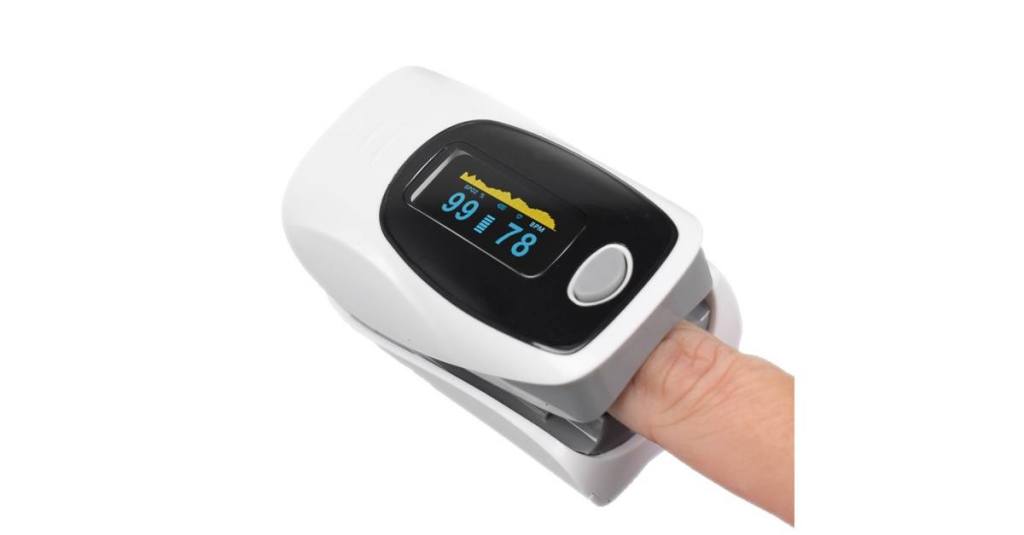
Usage Of Pluse Oximeter
First of all, the pulse oximeter is easy to use. Unlike a blood pressure cuff, it can be worn on the finger of a patient for monitoring purposes. The patient will not have to worry about his blood pressure because the oximeter measures his oxygen level.
As for accuracy, the oximeter has an accuracy rate of 90%. This is very good for the health of a person who is trying to monitor his or her oxygen consumption.
Designed of Pulse Oximeter
The pulse oximeter is designed to provide information about a person’s body at a rate that he or she can easily understand. This can be a very good thing for a person who has a problem with the ability to keep his or her hands busy and not have to focus on counting. This is especially good for an elderly person who may have difficulty concentrating. It allows the person to keep track of his oxygen levels.
While a pulse oximeter can measure the oxygen levels of a person at a rate that he or she can easily understand, it is also sensitive to a person’s pulse rate. This can be a good thing for some people because it allows the person to have more control over his or her oxygen consumption. For some people, this can be more important than the oxygen levels.
The oxygen level of a person’s blood can be measured using a blood oxygen analyzer. While this device does measure the blood oxygen level of a person, it does not provide information about his or her pulse rate. It can only give the person’s age, sex and other information that is required to determine his or her blood oxygen saturation. If the person wants to know more information about his or her oxygen level, the oximeter would have to be used to provide that information.
However, some people are not comfortable with the idea of using an oximeter to measure their oxygen level. Because a pulse oximeter measures a person’s oxygen level, some people worry that the results are not reliable. Even if they use the pulse oximeter correctly, they can have problems measuring their oxygen levels using a blood pressure cuff.
How Device Affect
The way a person uses a pulse oximeter can also affect how the device measures his or her oxygen levels. A person can use the device incorrectly or inappropriately if he or she does not use the correct settings.
Some people can even use the pulse oximeter incorrectly to read a person’s blood oxygen level. They may think they are reading correctly, but the oxygen level can be much lower than they originally thought. In some cases, the level can be lower than the person’s oxygen saturation.
Another reason why some people are not comfortable with the use of a pulse oximeter is the oximeter’s accuracy rate. Although the oximeter is accurate, the accuracy rate of the device is not guaranteed. Some people who use the oximeter incorrectly can read the oximeter incorrectly and then use the device incorrectly.
If a person does not use the oximeter correctly, his or her oxygen level can vary by as much as four percent, which can affect the pulse oximeter reading. This can lead to a lot of confusion if he or she does not notice the difference immediately. The device cannot read his or her level accurately if it is reading the wrong amount.
 Digital Marketing